Lost money to a crypto casino scam? Act quickly to prevent further losses and document everything. This guide provides step-by-step actions for Canadian victims: securing accounts, reporting to authorities, and understanding your limited recovery options.
Canada Project`Tested Crypto Casinos for Canadians – Real Withdrawals, Live Bonuses
Crypto Casino Scam? What Canadian Victims Should Do Immediately

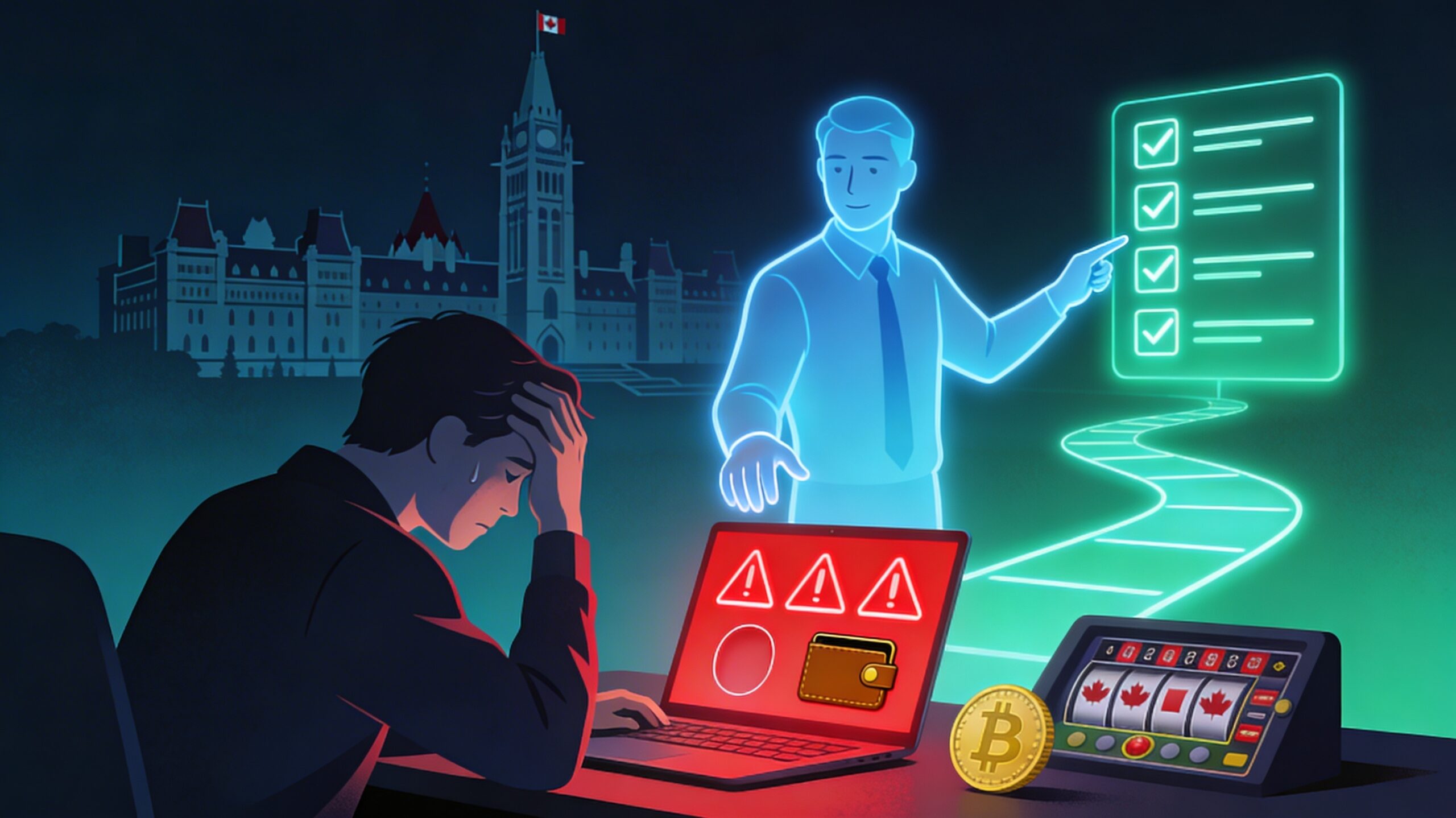
You’ve realized the crypto casino you deposited with is a scam. Maybe they refused your withdrawal. Perhaps the site disappeared entirely. Or customer support stopped responding after you won big. Your stomach is churning, and you’re wondering if there’s any way to get your money back.
Let’s start with difficult truth: recovering funds from crypto gambling scams is extremely challenging. The combination of irreversible blockchain transactions, offshore operations, and anonymous operators makes recovery unlikely in most cases. But taking the right steps immediately can limit additional losses, create records that might help future enforcement, and protect you from follow-up scams targeting known victims.
This guide provides concrete, Canada-specific actions to take if you’ve been scammed. While we can’t promise recovery, we can help you avoid making the situation worse and give your situation the best possible chance of resolution.
Step 1: Stop All Further Payments Immediately
Your first action is stopping additional losses. This seems obvious, but scammers are skilled at convincing victims to send more money.
Do Not Send “Processing Fees” or “Unlock Payments”
Legitimate casinos never require upfront payments to release withdrawals. They deduct any fees from your balance. If someone claims you need to send additional crypto for taxes, processing fees, or to unlock your account, you’re being scammed a second time.
The money is already gone. Sending more won’t recover it—it just increases your total losses.
Stop Communication With the Scammers
Continued interaction only gives scammers opportunities to manipulate you further. Block their contact methods and don’t respond to future messages. They might claim your withdrawal is finally ready, or offer partial refunds if you pay a fee, or threaten legal action if you don’t cooperate.
All of these are attempts to extract more money. Cut contact completely.
Secure Your Financial Accounts
If you used a bank account or credit card at any point to buy the cryptocurrency you deposited, contact your bank immediately to block further transactions. Explain what happened and ask if any chargebacks are possible for the crypto purchase itself.
Chargebacks won’t recover the gambling deposit—that crypto transaction is permanent—but if you bought crypto specifically for this scam, you might recover the initial purchase from the exchange depending on timing and payment method.
Change All Related Passwords
Update passwords for your email, crypto accounts, and any other services connected to the scam casino. Enable two-factor authentication everywhere it’s available. If you used the same password for the casino as for other accounts, assume it’s compromised and change it immediately.
Revoke Any Smart Contract Approvals
If you connected a Web3 wallet like MetaMask to the platform, you may have approved token spending permissions that the scammers can exploit to drain your wallet even after you’ve stopped interacting with them.
Use services like Revoke.cash or your wallet’s approval management tools to revoke all permissions granted to the scam site. This prevents them from taking additional funds from your wallet without your explicit approval.
Step 2: Collect and Preserve All Evidence
Detailed documentation creates the foundation for any reporting or potential recovery efforts. The Competition Bureau of Canada emphasizes preserving all evidence related to fraud.
What to Document
Gather and save copies of everything related to the scam:
Website and communications:
- Screenshots of the casino website, terms and conditions, and advertised features
- All emails, chat logs, and messages with the casino or anyone who referred you
- Screenshots of your account showing balances, transaction history, and withdrawal requests
- Any promotional materials, bonus offers, or advertisements that attracted you
Transaction records:
- Wallet addresses you sent crypto to (the scam casino’s deposit addresses)
- Transaction hashes (TXIDs) for all deposits and any attempted withdrawals
- Amounts in both crypto and Canadian dollars at the time of each transaction
- Proof of payment from your wallet or exchange showing sent transactions
Identity information:
- Names, email addresses, phone numbers used by the scammers
- Social media profiles or accounts that contacted or recruited you
- Any claimed company names, registration numbers, or license details
- Website URLs, domain registration information if available
Save multiple copies in different locations. The scam website might disappear, emails could be deleted, and you need backups if your computer fails. Cloud storage plus local copies provides redundancy.
Create a Timeline
Organize events chronologically: when you first encountered the casino, deposit dates and amounts, gameplay period, withdrawal request timing, and when you realized it was a scam. This timeline helps investigators understand the fraud pattern.
Step 3: Report to Canadian Authorities
Reporting won’t guarantee recovery, but it serves several important purposes. It creates an official record, helps authorities track fraud patterns, enables potential enforcement action, and might assist in future asset seizures if scammers are eventually caught.
Canadian Anti-Fraud Centre (CAFC)
Your first report should go to the Canadian Anti-Fraud Centre, the central agency for reporting fraud in Canada.
Report online through their Fraud Reporting System at antifraudcentre-centreantifraude.ca or call toll-free at 1-888-495-8501. Provide all the documentation you’ve collected including transaction details, communications, and website information.
The CAFC collects reports to identify fraud patterns and trends. Individual recovery isn’t their primary function, but their database helps law enforcement track criminal operations and may contribute to future enforcement actions.
Local Police
Report the scam to your local police service, especially if the loss amount is substantial. Bring all your documented evidence and file a formal report.
Police resources for investigating individual crypto scams are limited, particularly when operators are offshore and anonymous. However, an official police report creates a record that might be required for tax purposes (claiming theft losses) or insurance claims, and contributes to broader investigations if the scam is operating at scale.
Provincial Securities Commissions
If the scam was marketed as an investment opportunity or promised returns beyond typical gambling, report it to your provincial or territorial securities regulator:
- Alberta: Alberta Securities Commission
- BC: British Columbia Securities Commission
- Ontario: Ontario Securities Commission
- Quebec: Autorité des marchés financiers
Operation Avalanche, a joint initiative by Alberta and BC regulators, specifically focuses on crypto fraud affecting Canadians. These agencies have investor protection mandates and may investigate if the scheme affected multiple victims.
CIRO (Canadian Investment Regulatory Organization)
If the scam involved someone claiming to be a licensed investment adviser or promising managed gambling returns, report to CIRO through their investor protection channels. They regulate investment dealers and mutual fund dealers in Canada.
While crypto gambling scams don’t typically involve regulated advisers, some sophisticated frauds combine elements of investment schemes with gambling platforms. CIRO can investigate and warn other investors if the operation crosses into their jurisdiction.
Step 4: Beware of Recovery Scams
Here’s where many victims lose even more money. Recovery scams specifically target people who’ve already lost money to crypto fraud.
How Recovery Scams Work
You receive unsolicited contact from someone claiming they can recover your lost crypto. They might impersonate:
- Police officers or CAFC investigators
- Government regulators or securities commission staff
- Lawyers specializing in crypto recovery
- Blockchain analysis experts
- Hackers who can “retrieve” stolen funds
They claim to have special access, insider knowledge, or technical capabilities to get your money back. But first, you need to pay upfront fees, provide additional personal information, or send more crypto to facilitate the recovery process.
This is always a scam. In nearly all cases, no recovery occurs and you’ve now lost both your original funds and the recovery fees.
Protecting Yourself From Recovery Scams
Official agencies never demand upfront payment to investigate fraud or recover funds. Real police, regulators, and prosecutors don’t charge victims fees. If someone asks for money to help you, they’re scamming you again.
Verify any contact claiming to be from authorities by calling the agency directly using publicly listed phone numbers, not numbers provided in the suspicious message. The CAFC website, police non-emergency numbers, and securities commission contact pages all provide verified ways to reach these organizations.
No legitimate lawyer works purely on upfront fees with guaranteed recovery promises. Real legal professionals explain that recovery is uncertain, discuss fee structures that include contingency elements, and provide verifiable credentials you can check with provincial law societies.
Be especially skeptical of anyone who contacts you unsolicited. How did they know you were scammed? Why are they offering help proactively? Legitimate professionals don’t cold-call or message fraud victims they’ve never met.
Step 5: Consider Civil Legal Options
Civil litigation is expensive, time-consuming, and often unsuccessful against crypto scam operators. But in specific situations, it might be worth exploring.
When Civil Action Might Make Sense
Law firms experienced in crypto fraud suggest civil options might be viable when:
- The scammer or an intermediary is identifiable and located in Canada
- You can demonstrate clear breach of contract or fraudulent misrepresentation
- The amount lost justifies legal costs (generally thousands of dollars minimum)
- There’s a realistic chance of collecting a judgment if you win
For smaller amounts, small claims court might be an option if you can identify and serve the defendant in Canada. Maximum claim amounts vary by province but typically range from $25,000 to $35,000.
Practical Limitations
Most crypto casino scams operate entirely offshore with anonymous operators. You can’t sue someone you can’t identify or locate. Even if you win a judgment, collecting is impossible if the defendant has no Canadian assets.
Legal costs for pursuing offshore fraud typically exceed the chance of recovery. Unless the amount is very large and there’s clear evidence of recoverable assets, lawyers will usually advise that litigation isn’t economically rational.
Consulting a Lawyer
If you’re considering legal action, consult lawyers who specifically handle crypto fraud or complex civil fraud cases. Many offer free initial consultations where they’ll honestly assess whether pursuing your case makes sense.
Be skeptical of lawyers who guarantee results or promise specific recovery amounts. Ethical lawyers explain the challenges and uncertainties upfront.
Step 6: Contact Exchanges and Platforms
If you can identify where the stolen funds went, you might be able to request account freezes.
Exchange Cooperation
If blockchain analysis shows your funds moved to an identified exchange, contact that exchange’s fraud or compliance team. Provide:
- Your police report number
- Transaction hashes showing the flow of stolen funds
- All evidence you’ve collected
- Specific wallet addresses you’re asking them to freeze
Major exchanges sometimes cooperate with law enforcement and freeze accounts holding stolen funds. This doesn’t guarantee recovery, but it prevents scammers from easily cashing out.
Cooperation varies widely by exchange. Some take fraud seriously and actively assist victims and police. Others provide minimal help. But asking costs nothing except time.
Blockchain Analysis Services
Some companies specialize in tracing cryptocurrency transactions. They’re expensive and usually reserved for significant losses, but they can sometimes identify where funds ended up.
For amounts under $10,000, professional blockchain analysis typically isn’t cost-effective. For larger losses, it might help if analysis reveals funds reached identifiable, cooperative exchanges or individuals.
Tax Implications of Theft Losses
Consult a tax professional about claiming theft losses. Canadian tax law allows deductions for theft in some circumstances, but the rules are complex and require proper documentation.
Your police report and preserved evidence become important here. The CRA may allow you to claim the loss, but you’ll need to demonstrate the theft actually occurred and wasn’t just a bad gambling outcome.
This is specialized tax territory. Don’t try to navigate it without professional help, especially given crypto’s tax complexity.
Learning and Moving Forward
Being scammed is emotionally difficult. Victims often feel embarrassed, angry, and violated. These feelings are normal and justified.
Understand that falling for sophisticated scams doesn’t make you stupid. Scammers are professionals who’ve refined their techniques against thousands of victims. They exploit psychological vulnerabilities we all share.
Warning Others
Consider sharing your experience in gambling communities and scam-reporting forums. Many victims stay silent from embarrassment, allowing scams to continue. Your warning might prevent others from falling for the same operation.
Document what happened publicly (while protecting personal information). Reddit, BitcoinTalk, and dedicated scam reporting sites all provide platforms where your experience helps others recognize the same scam.
Future Protection
Use this experience to strengthen your due diligence process. The previous article in this series covers detailed red-flag identification. Review it and commit to following those steps before any future crypto transactions.
Many victims report that the emotional impact motivates them to help others avoid similar situations. That’s constructive—turning a painful experience into protective action for the community.
Realistic Expectations About Recovery
We need to be honest: most crypto casino scam victims never recover their funds. The structure of cryptocurrency, offshore operations, and anonymous scammers makes recovery extremely difficult.
Criminal prosecution of offshore crypto scammers is rare. Even when authorities identify operators, jurisdictional challenges and limited resources mean many face no consequences.
This isn’t meant to discourage reporting—you should absolutely report for the reasons discussed. But tempering expectations prevents additional disappointment and helps you move forward.
The actions outlined in this guide maximize your chances within a difficult situation. Stop further losses, preserve evidence, report properly, avoid recovery scams, and explore legitimate civil options if they make economic sense. Beyond that, focus on learning and protecting yourself moving forward.
Final Thoughts
Crypto casino scams cause real financial and emotional harm. Canadians lose hundreds of millions to crypto fraud annually, and gambling scams represent a significant portion.
If you’re reading this because you’ve been victimized, follow the steps outlined here. Act quickly to prevent additional losses, document everything thoroughly, report to all relevant Canadian authorities, and absolutely avoid anyone claiming they can recover your funds for a fee.
Your chances of recovery are slim but not zero. Proper reporting, thorough documentation, and avoiding follow-up scams give your situation the best possible outcome given the circumstances.
For readers who haven’t been scammed yet, this article shows why prevention is so critical. The difficulty of recovery makes protecting yourself upfront absolutely essential. Invest time in due diligence, start small, test thoroughly, and never trust promises that seem too good to be true.
Crypto casinos can provide legitimate entertainment when you choose carefully. But the same features that enable fast, private gambling also enable sophisticated fraud. Approach with appropriate caution, and if something goes wrong, act quickly using the guidance provided here.
Choosing Legitimate Crypto Casinos
The best defense against crypto casino scams is choosing reputable, licensed operators from the start. If you’re looking for legitimate crypto casinos in Canada, make sure to thoroughly research each platform before depositing.
For comprehensive guidance on identifying trustworthy operators, read our detailed guide on how to avoid crypto casino scams. It covers the red flags to watch for and the verification steps you should take before trusting any platform with your funds.
Some established crypto casinos that have built strong reputations include BitStarz, BC.Game, and Cloudbet. These platforms have been serving Canadian players for years with proper licensing and transparent operations.


New Casinos






200% Matched Deposit up to $10,000 plus 50 Free Spins




Recent Gambling News